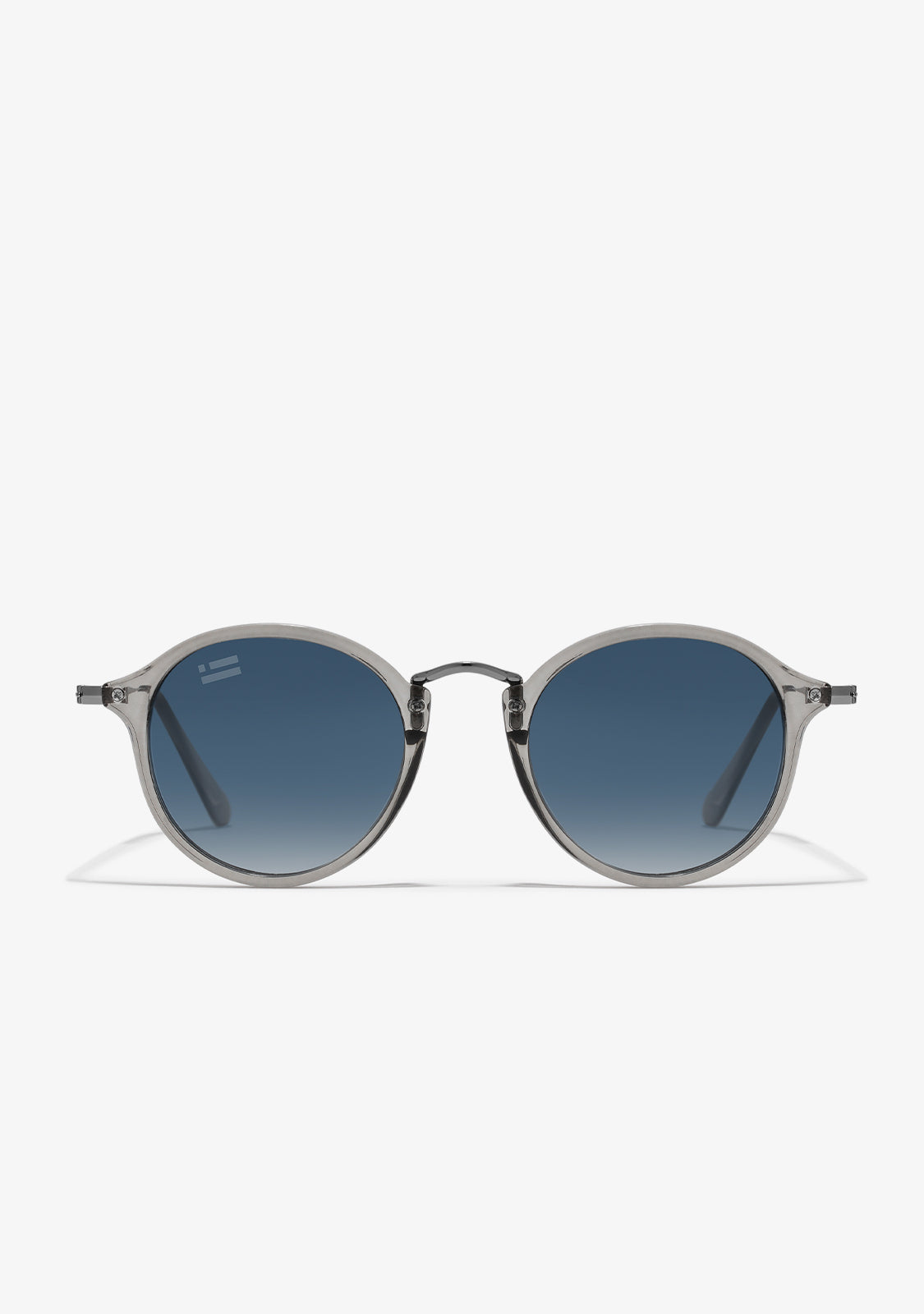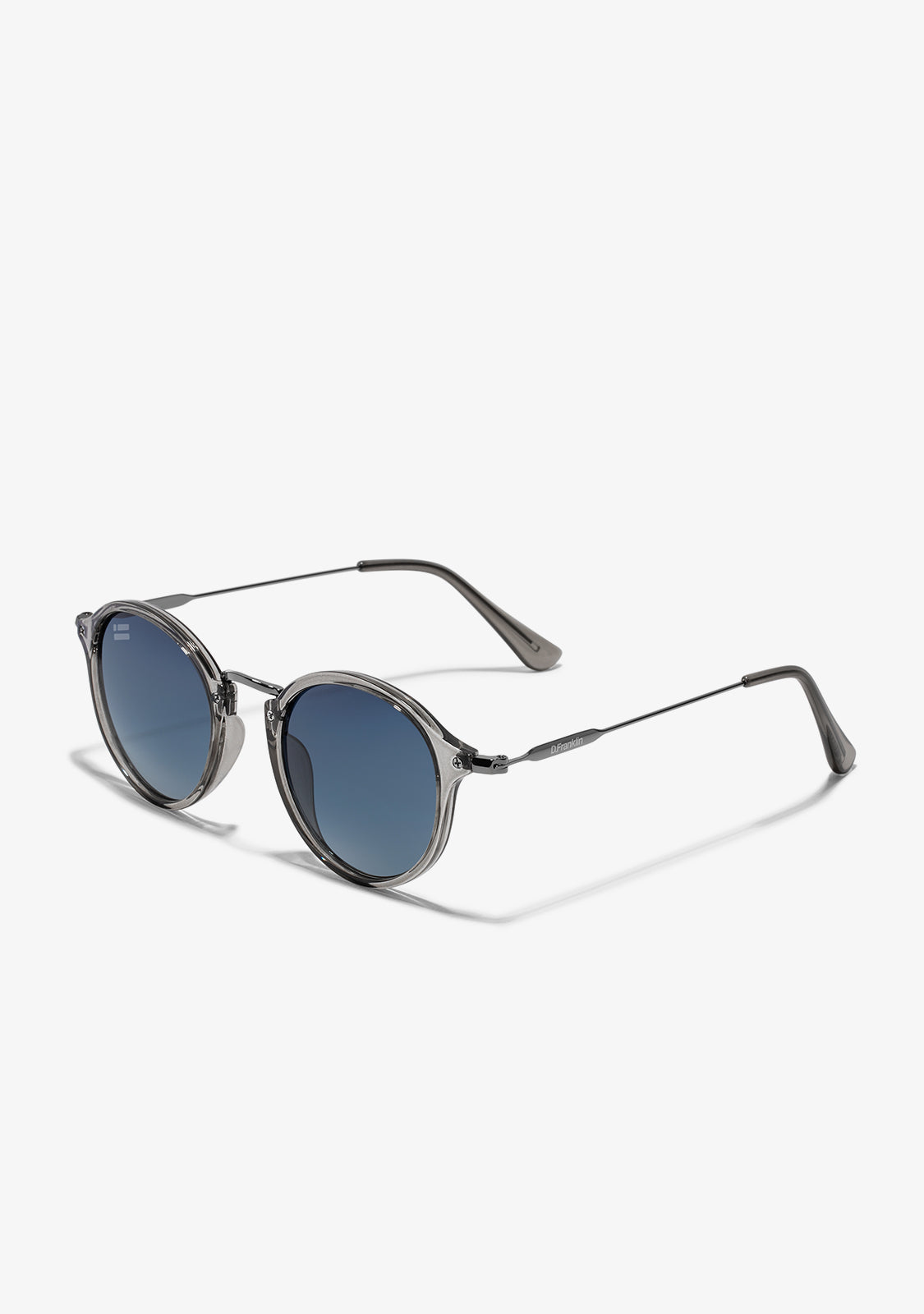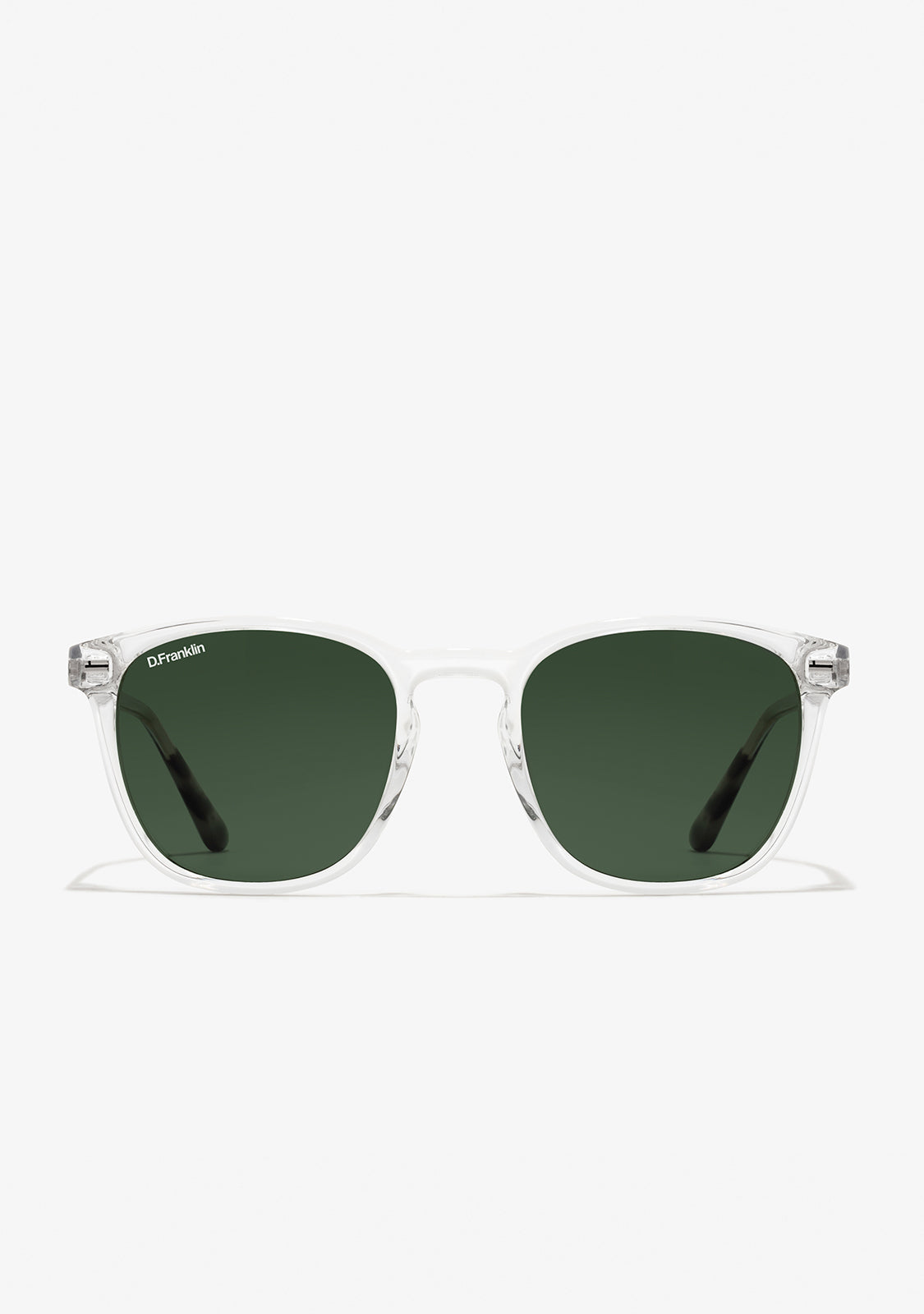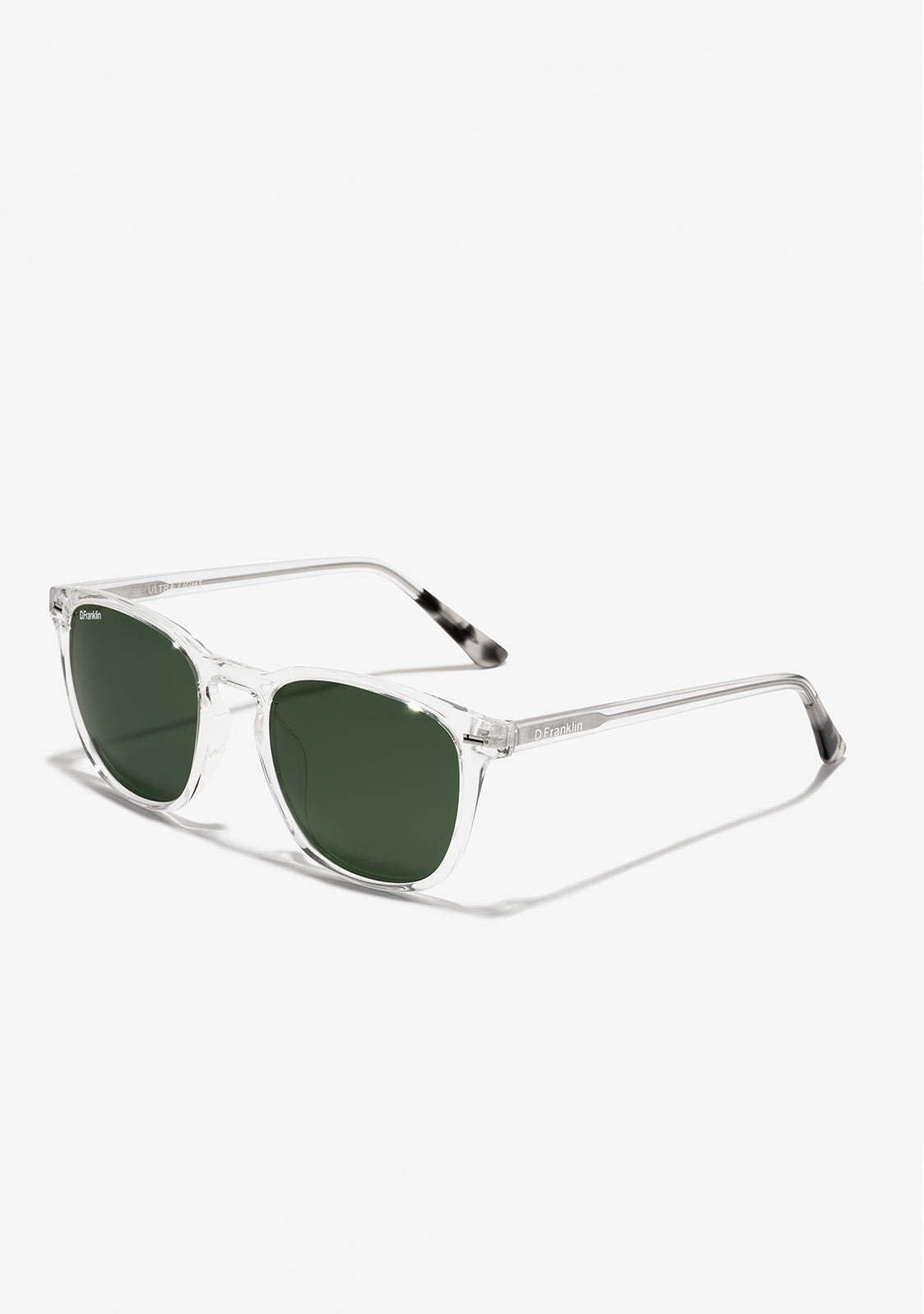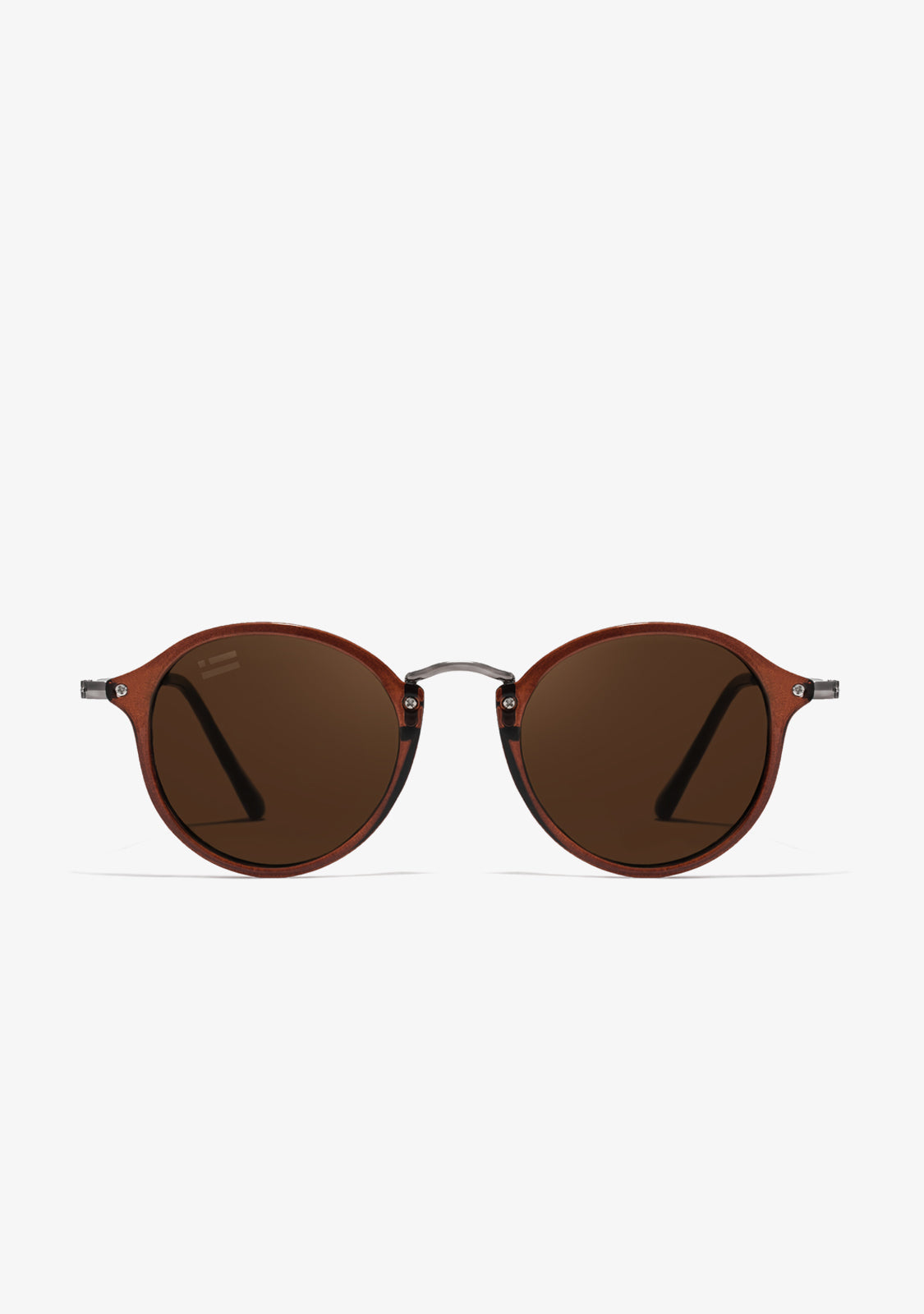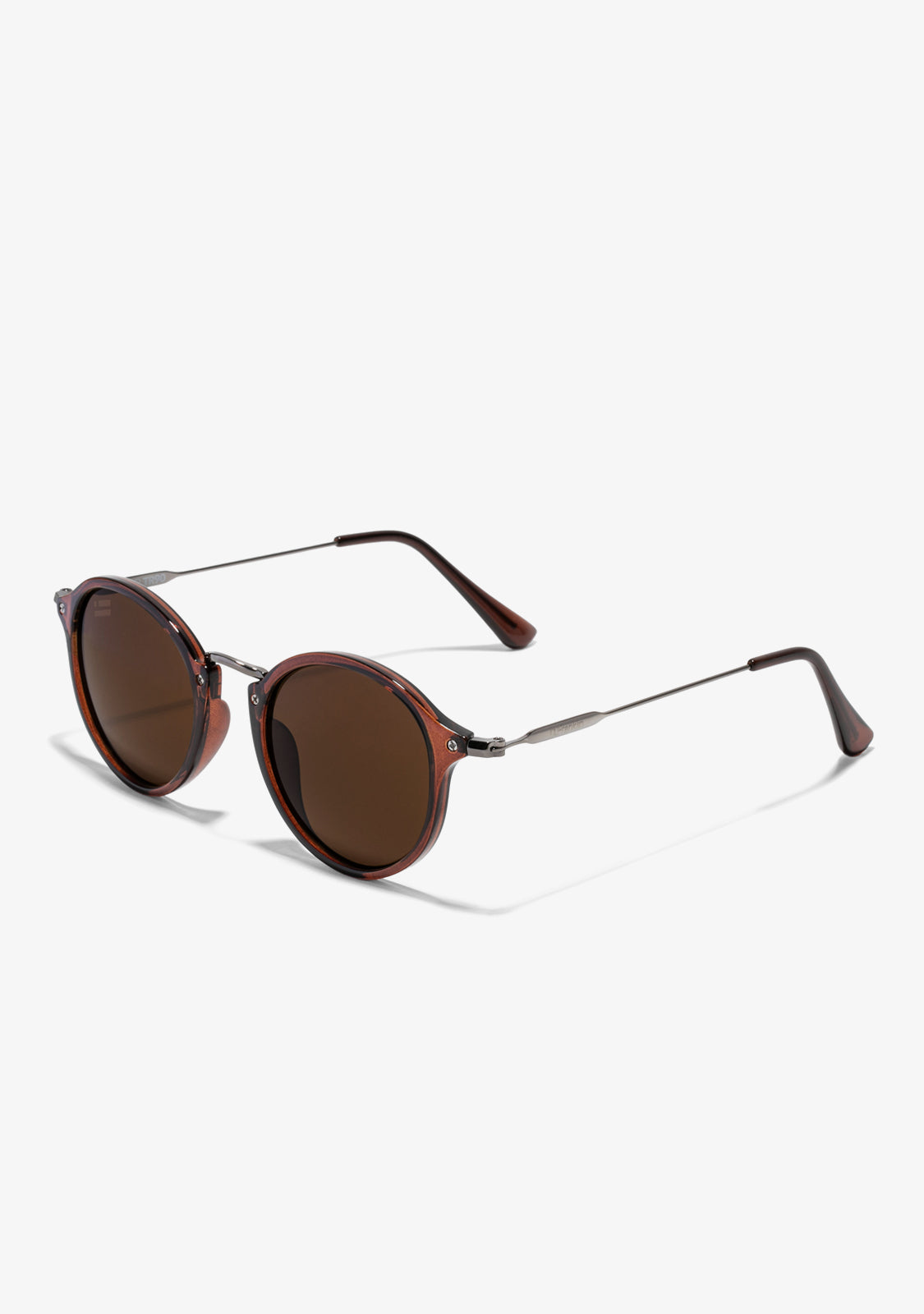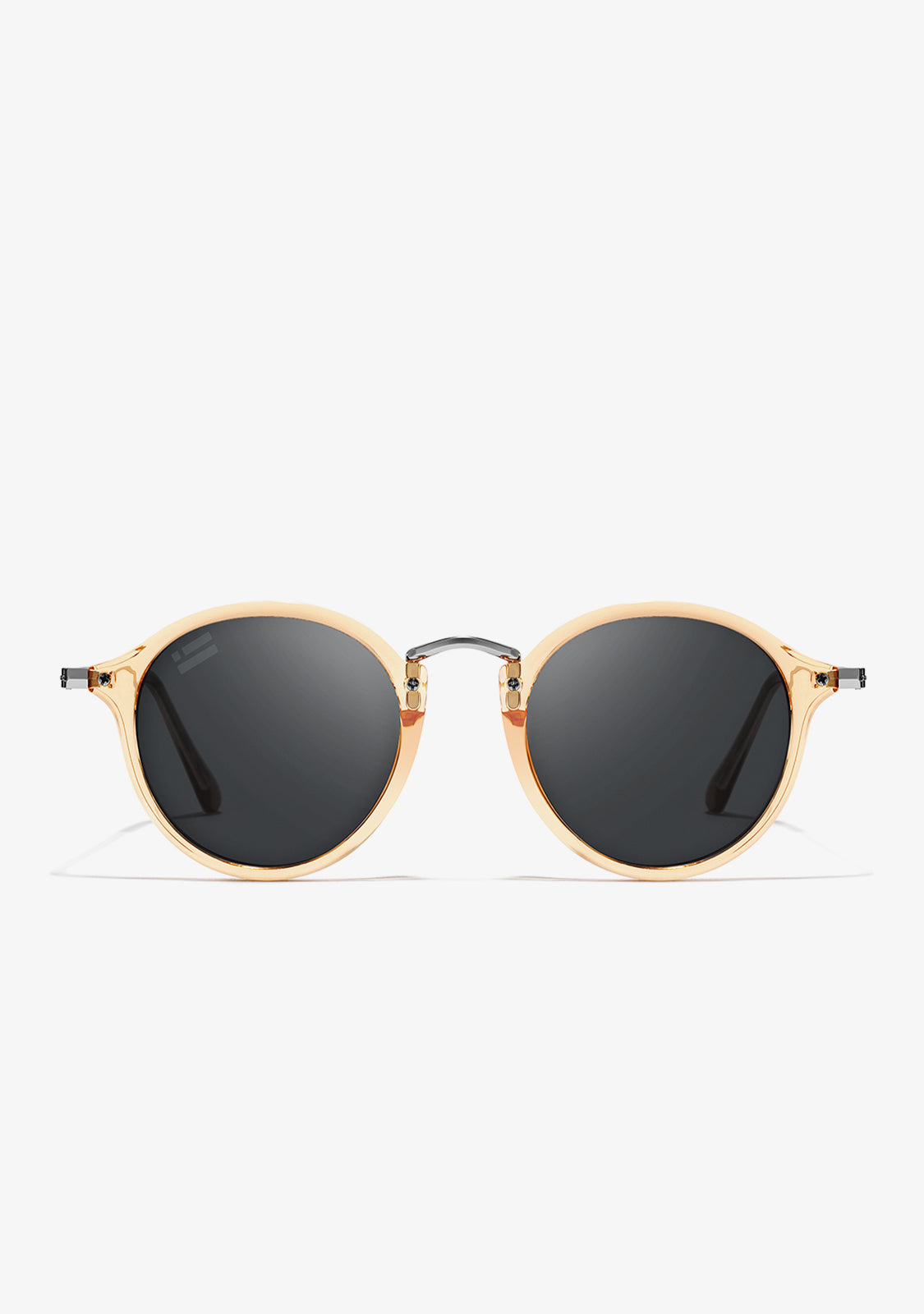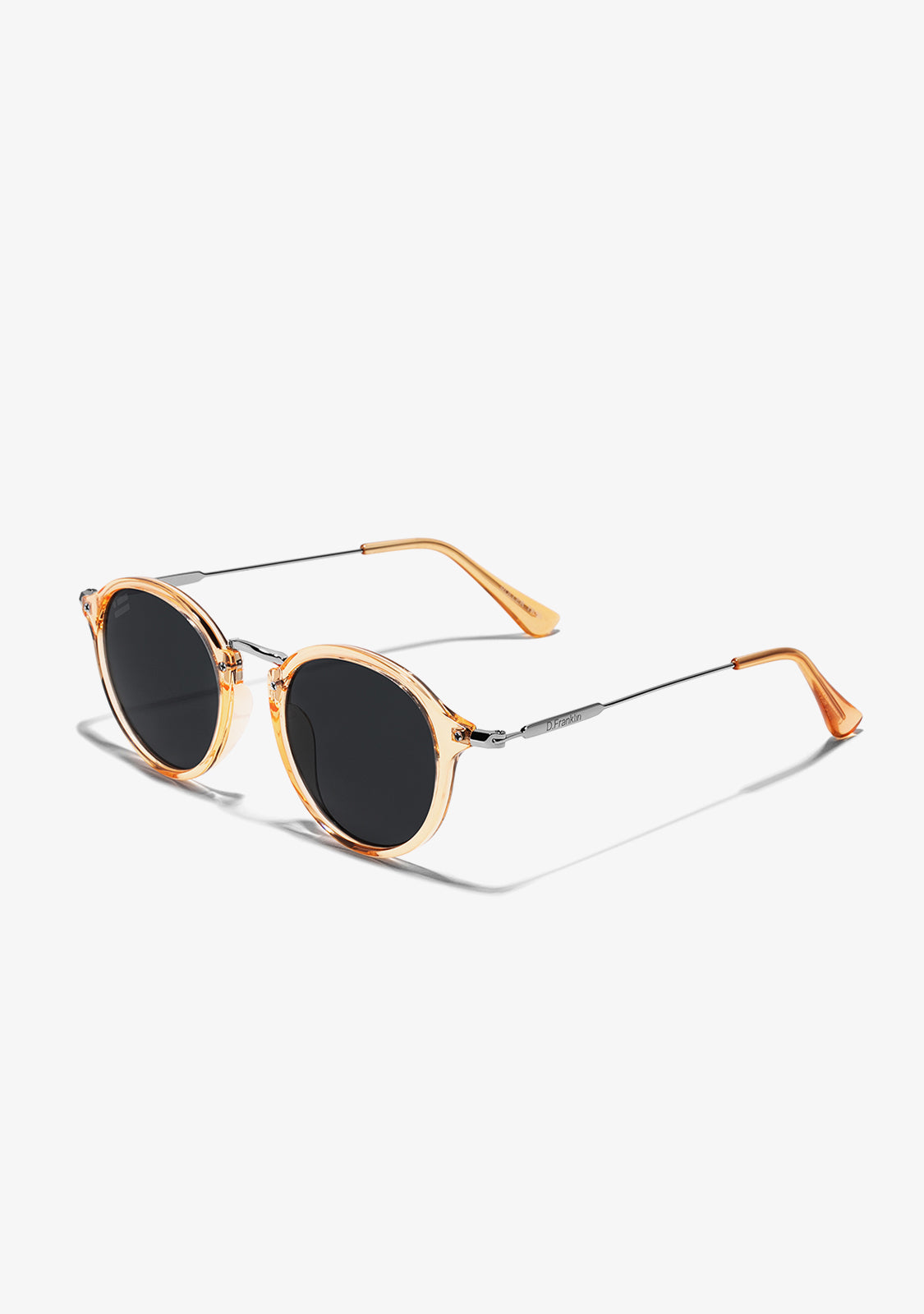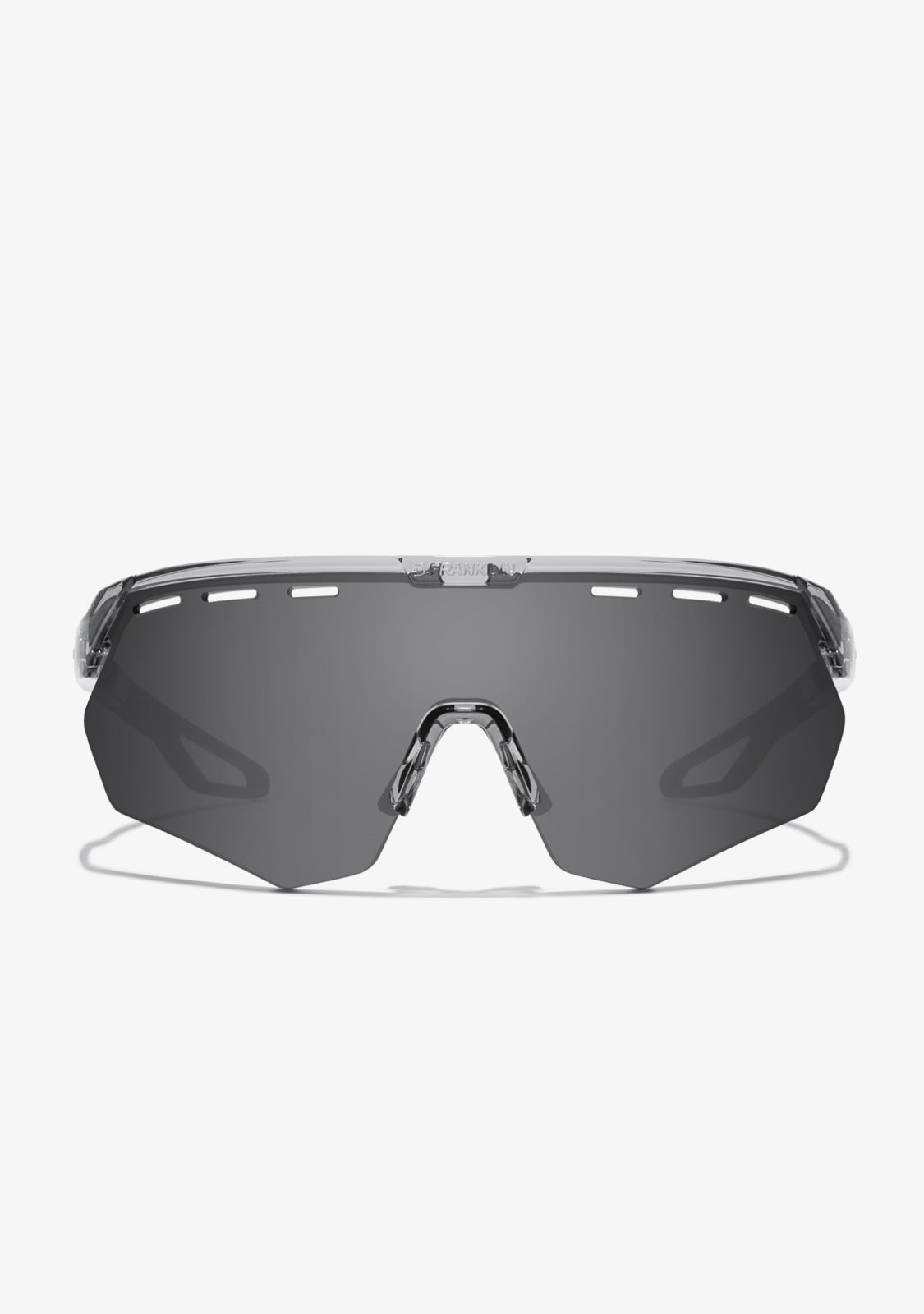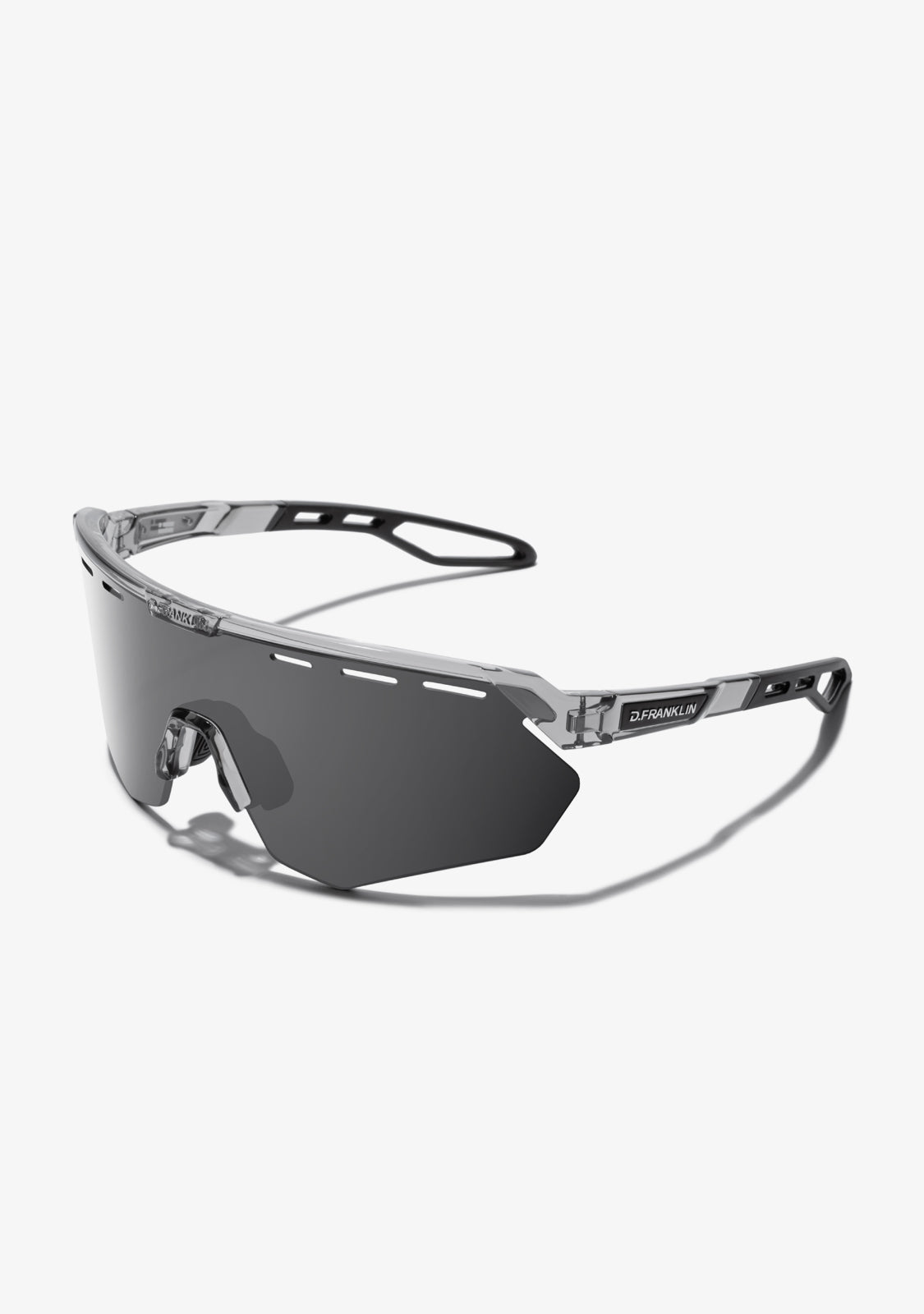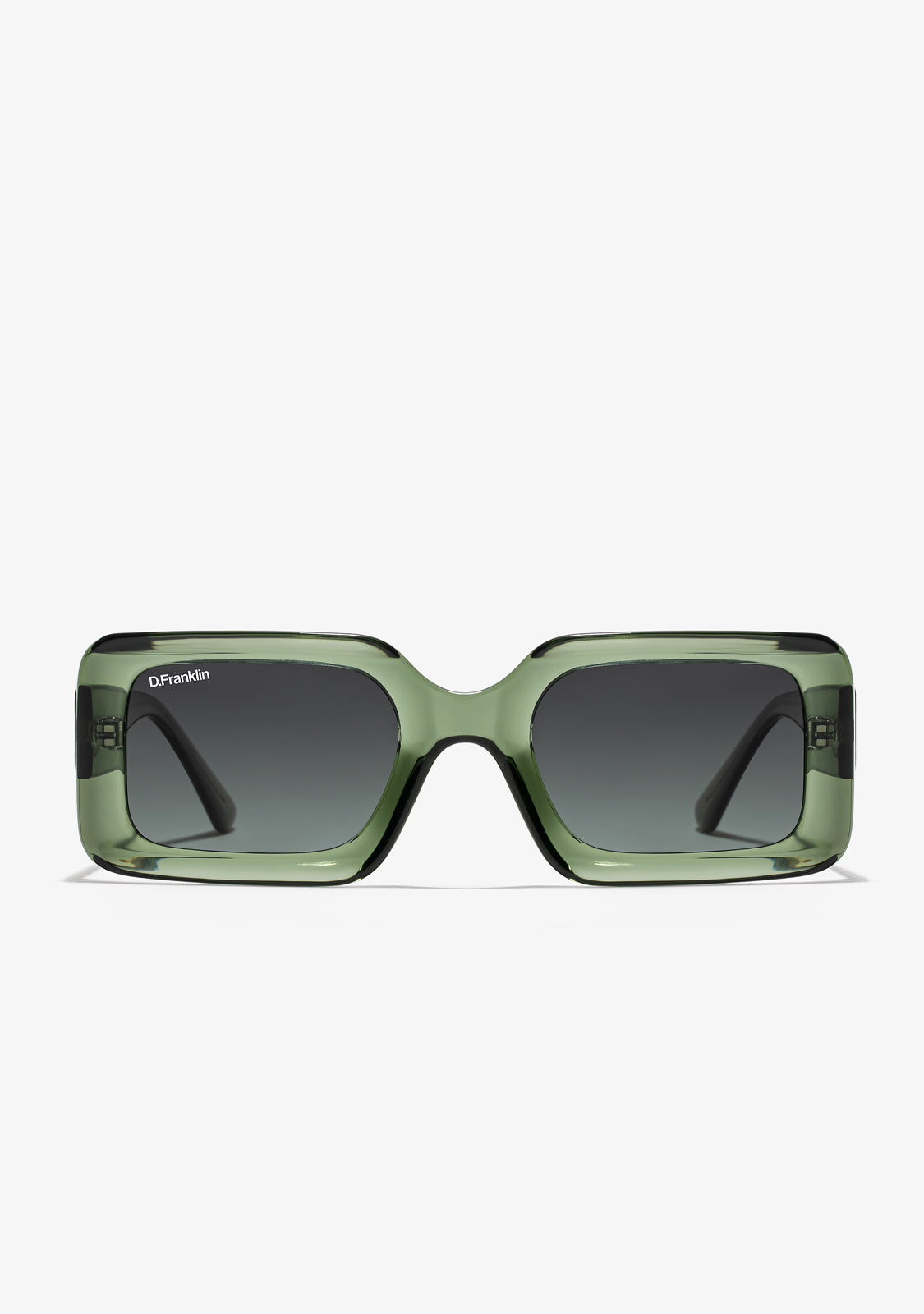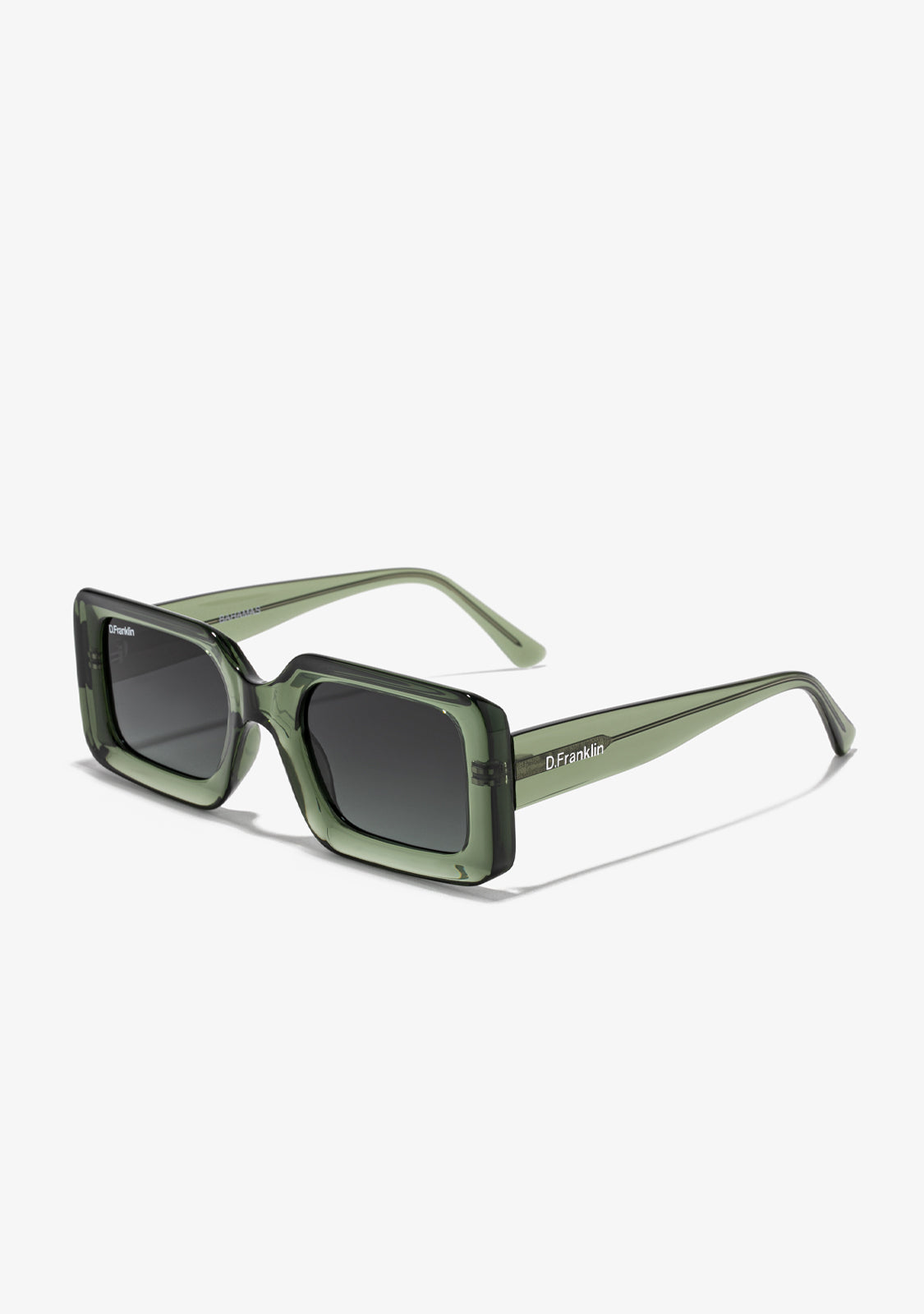
You may also like
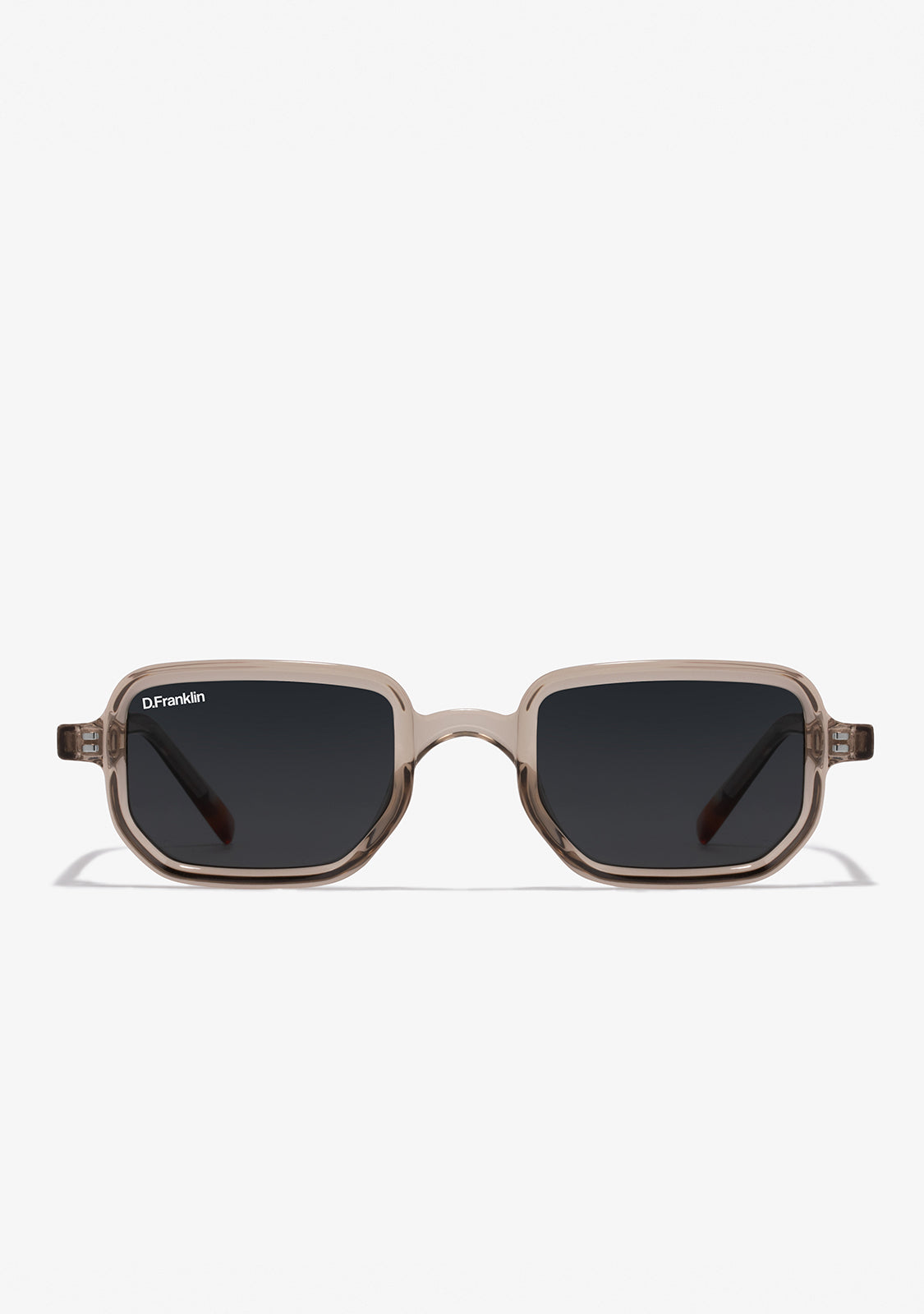
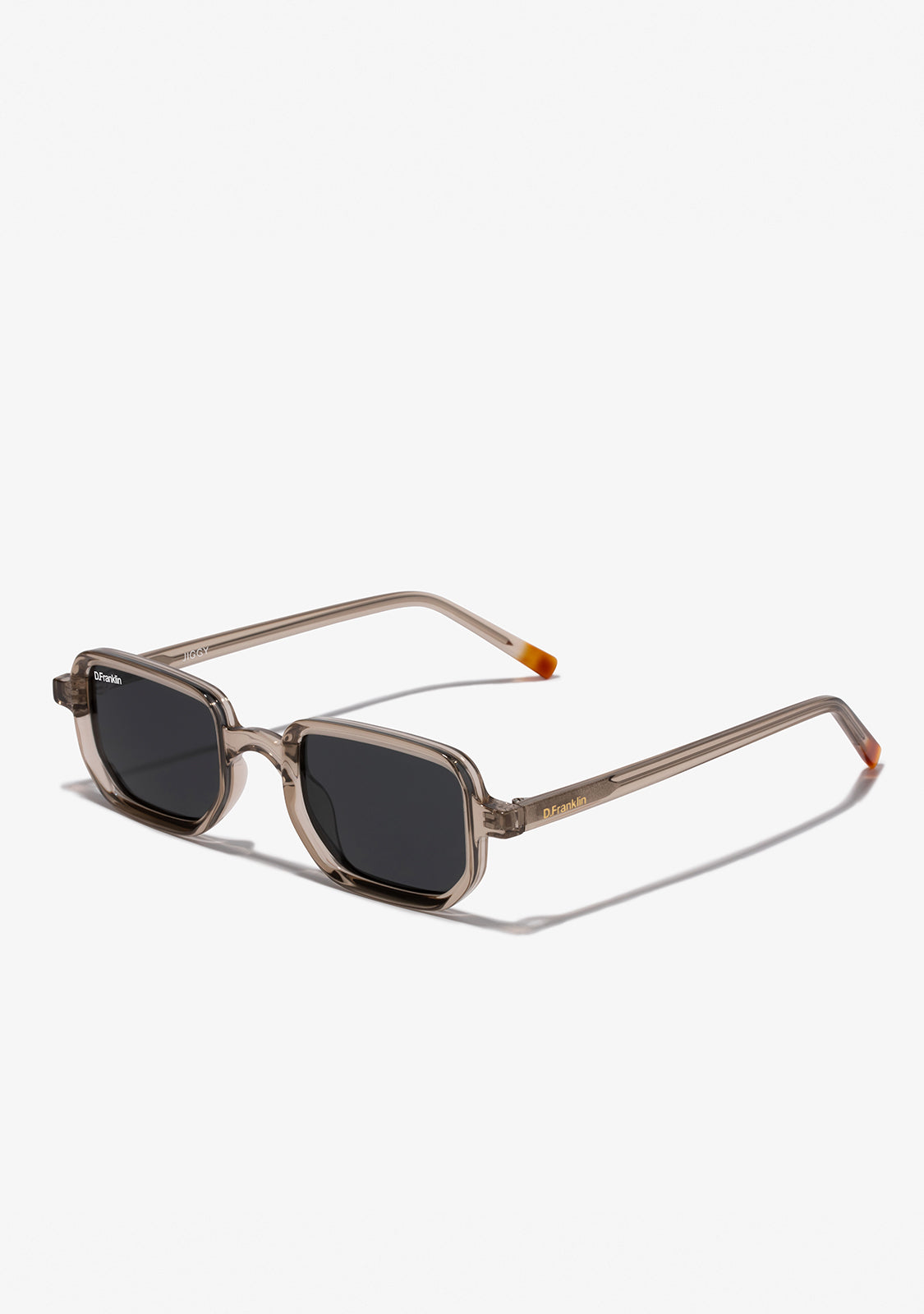
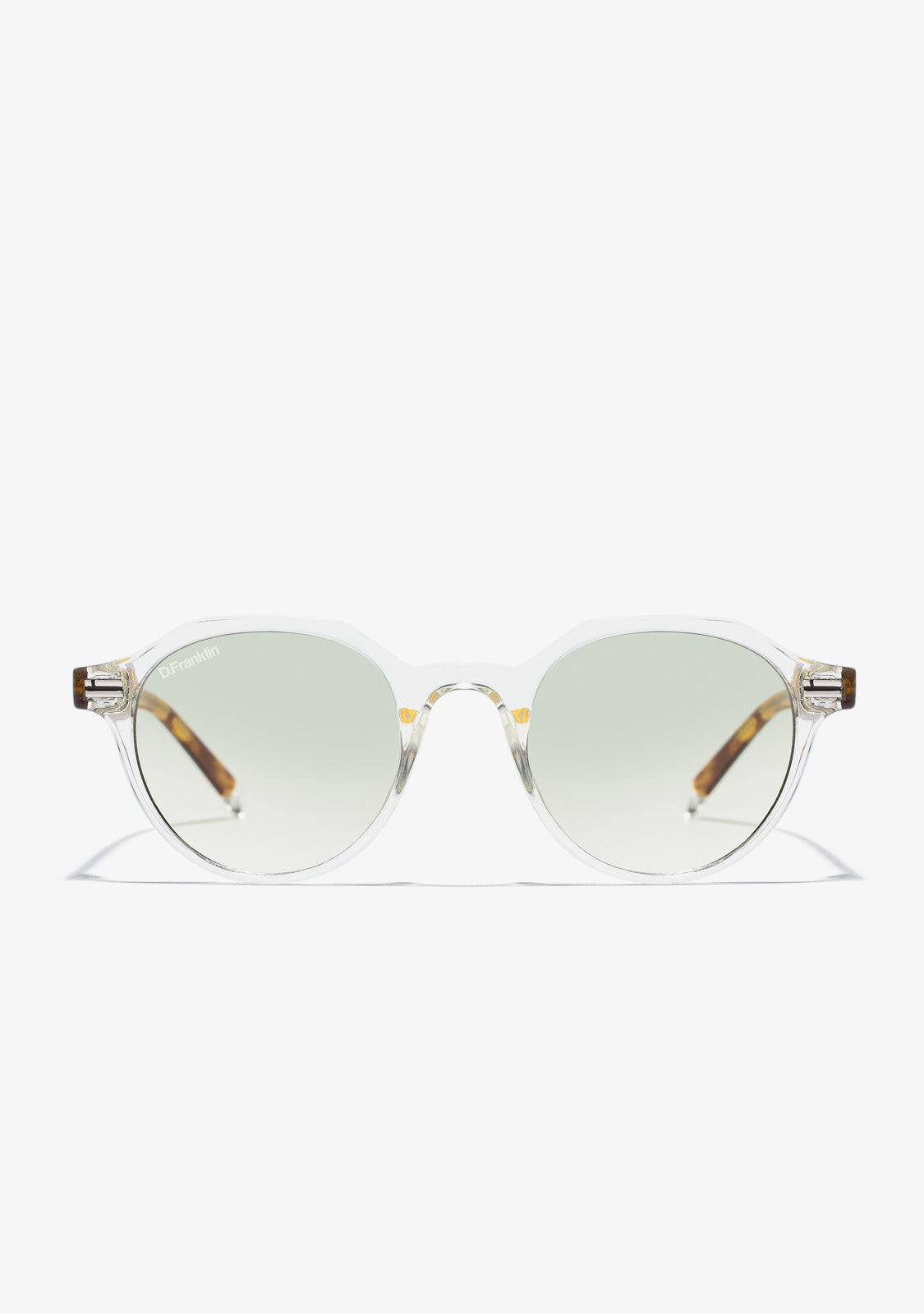
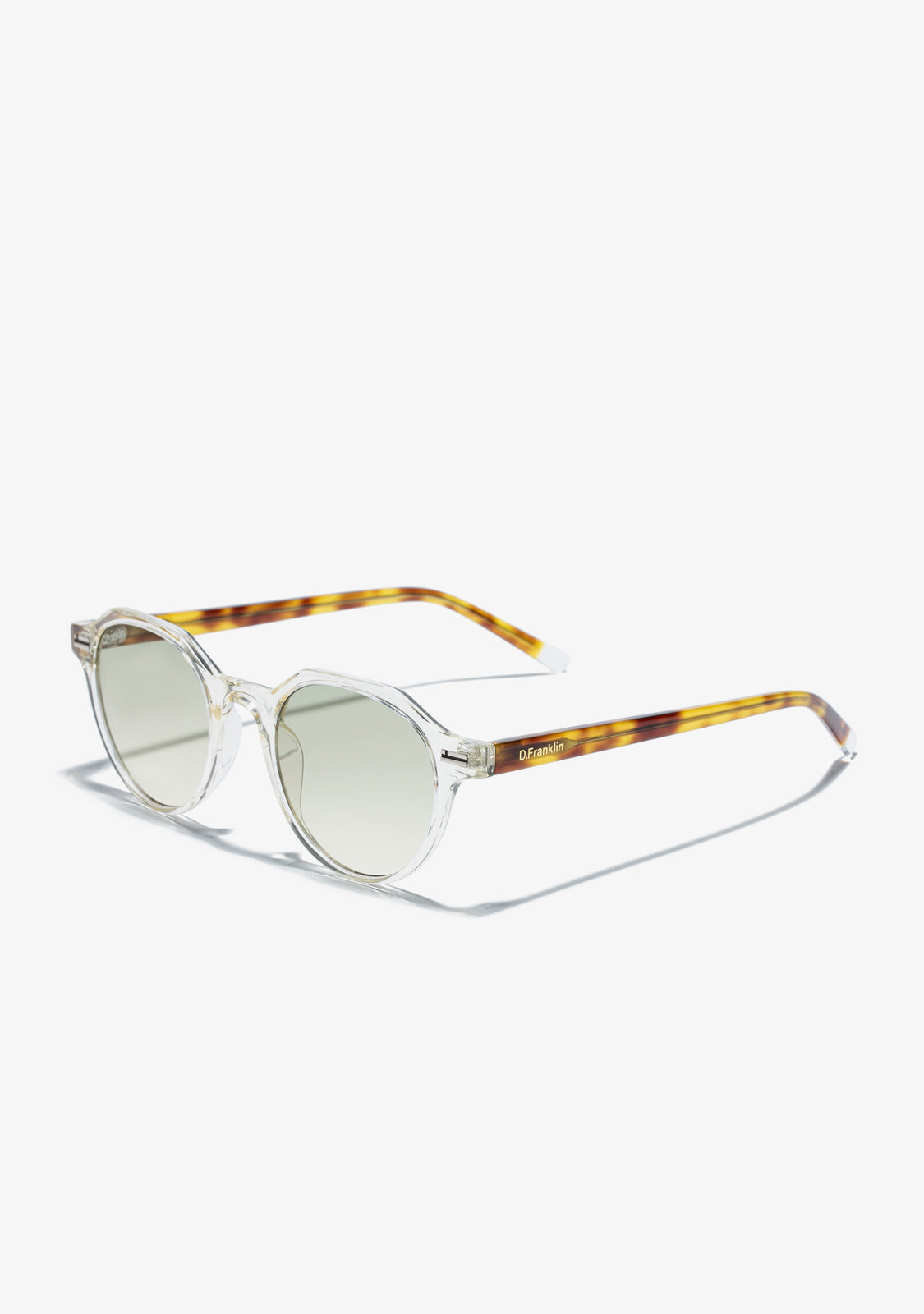
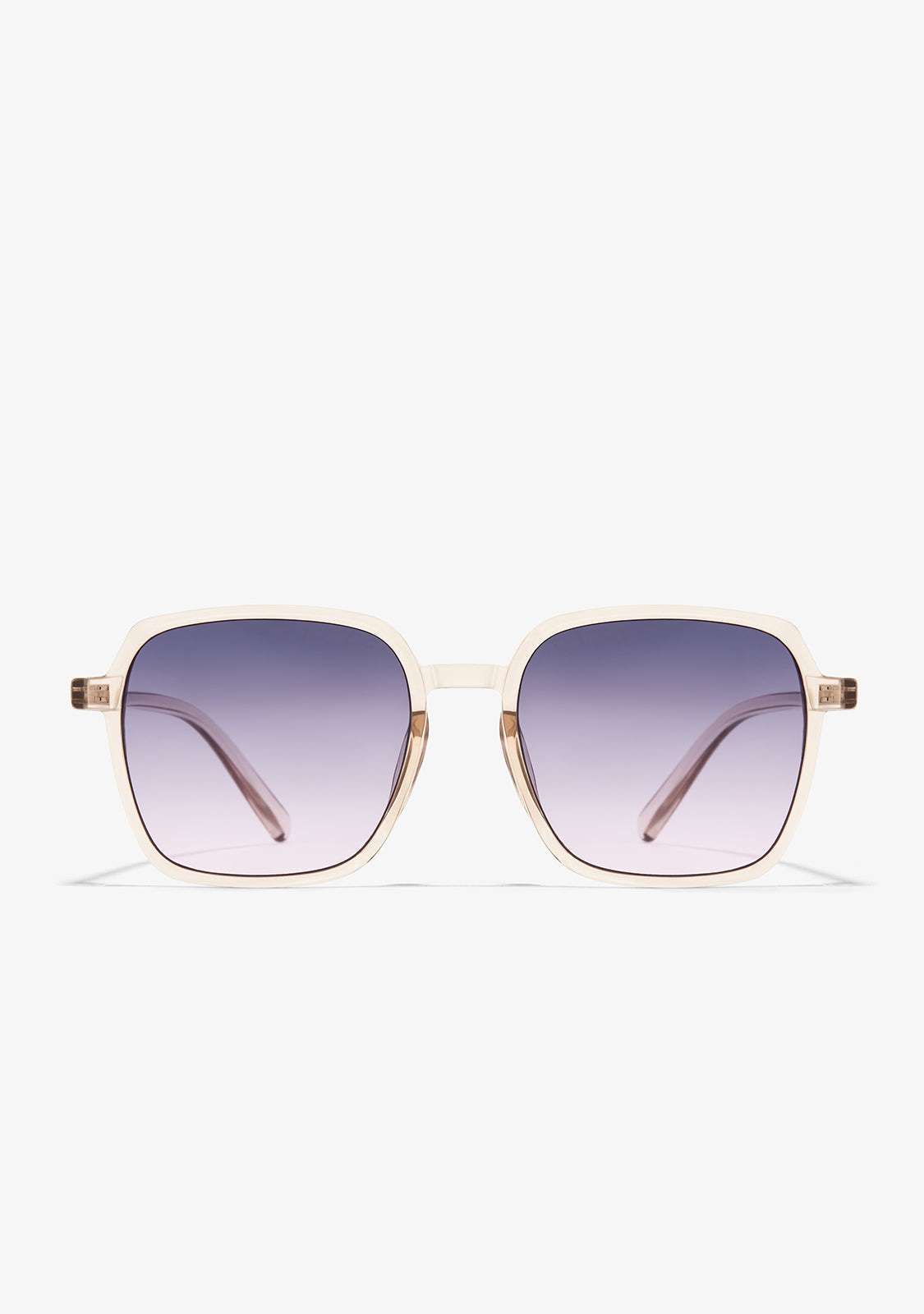
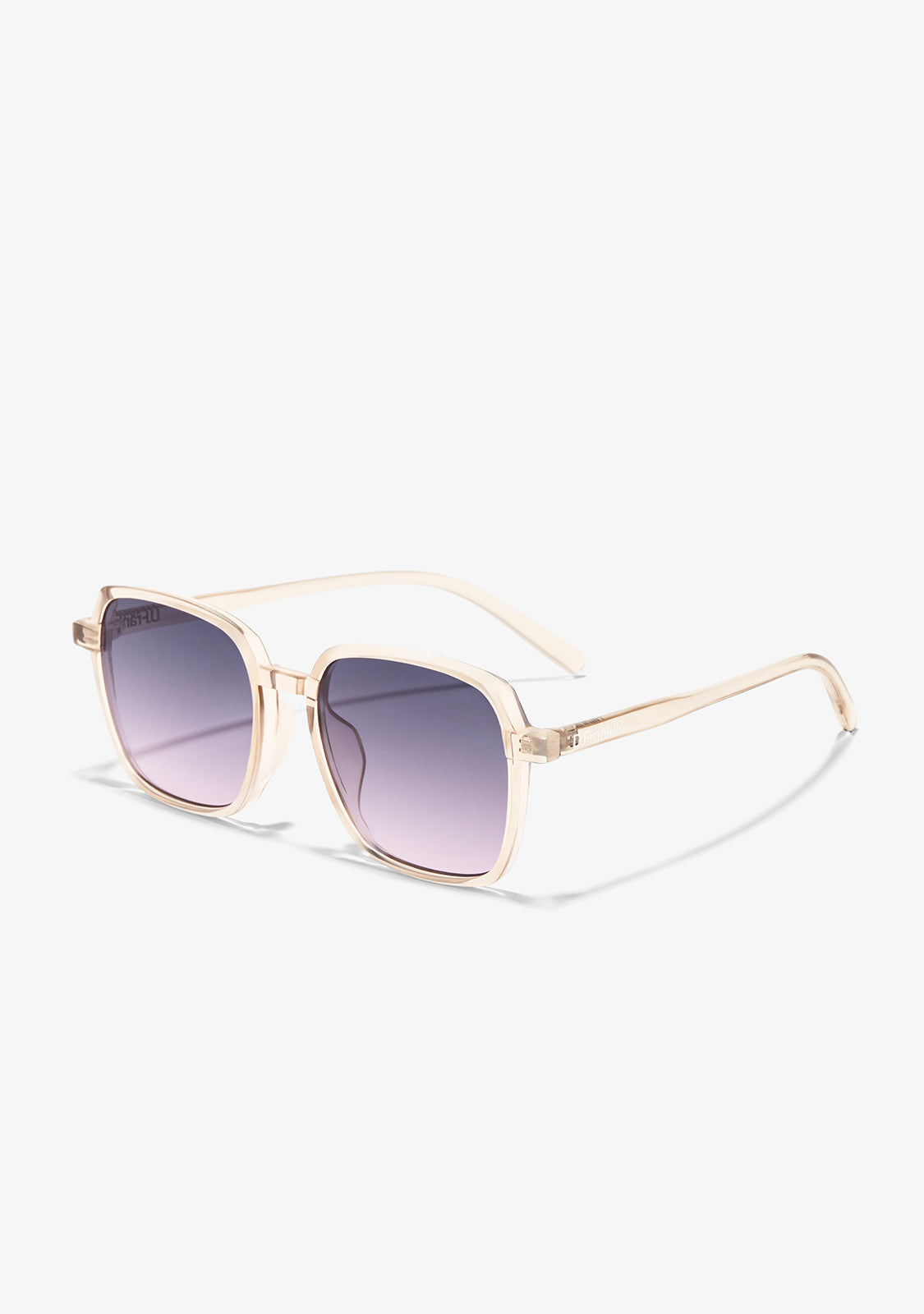
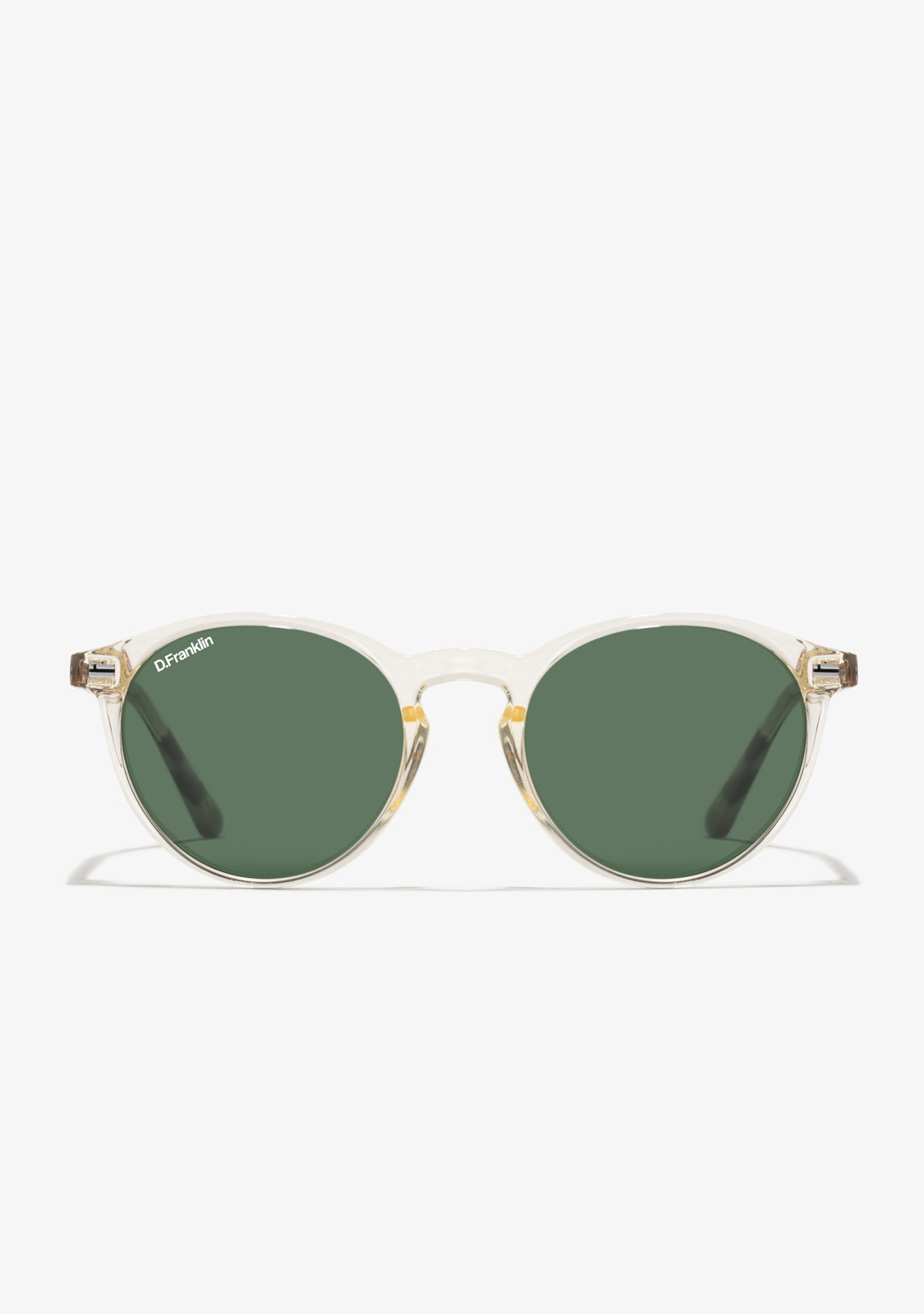
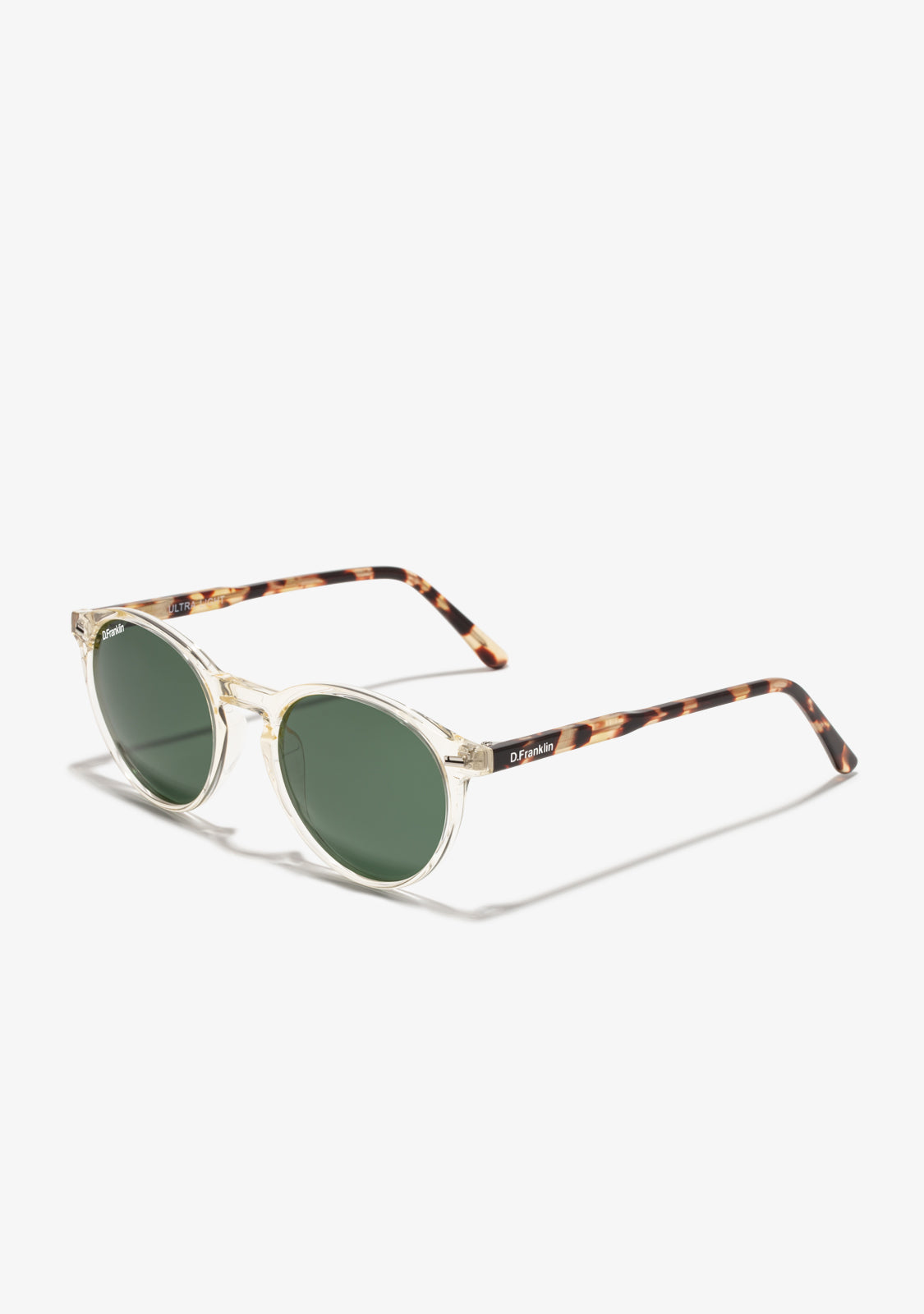
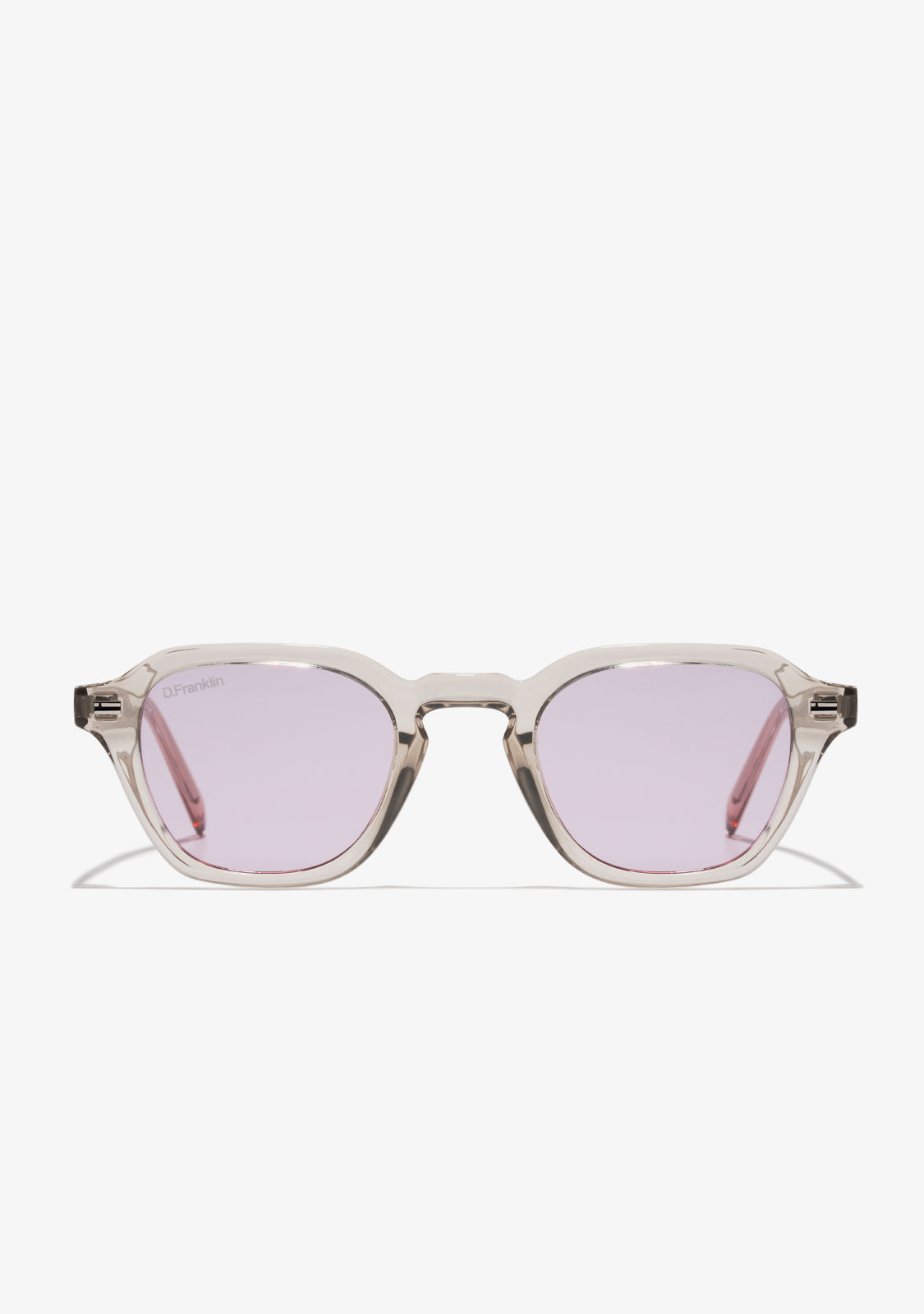
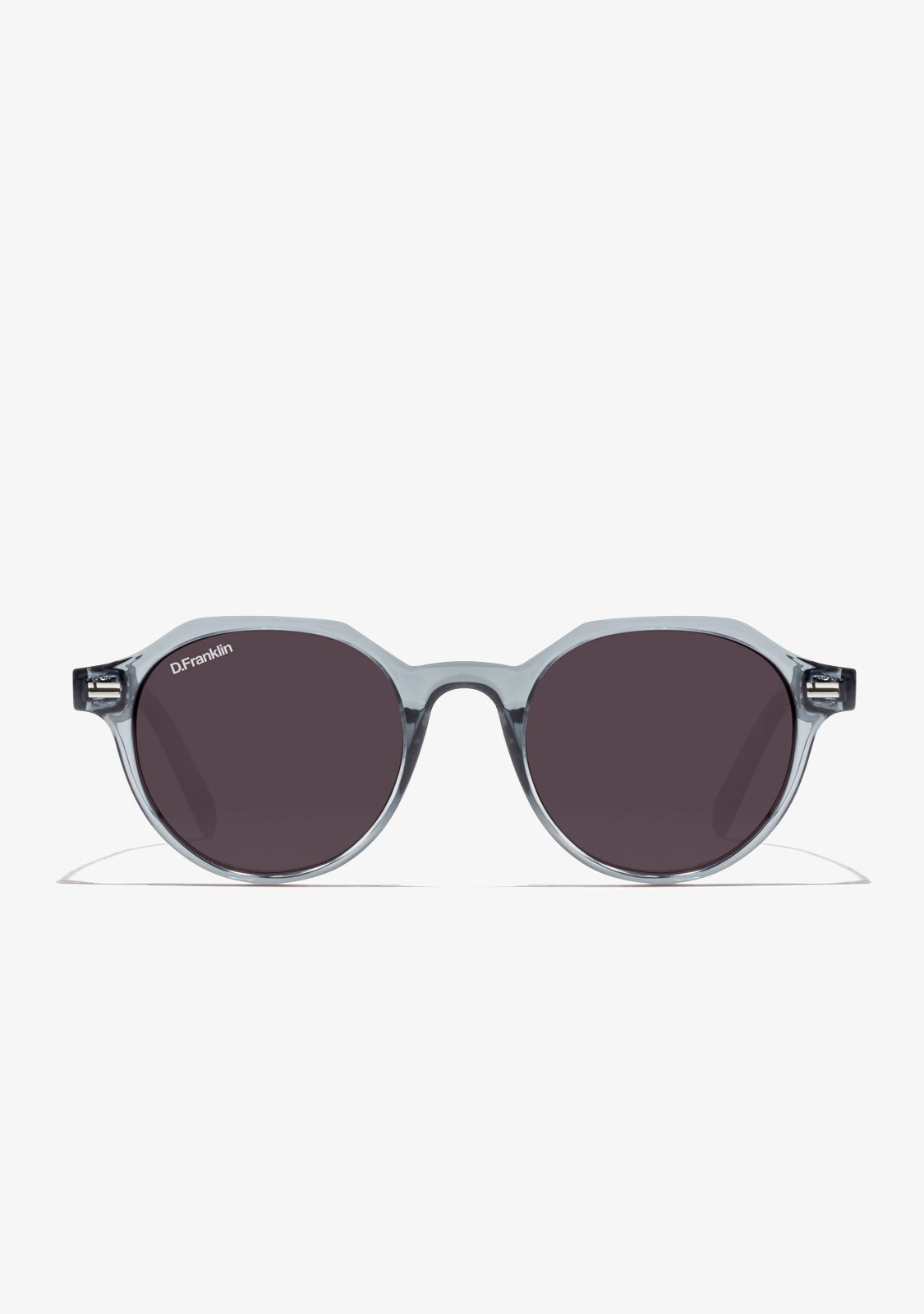
Clear Lens Sunglasses
Clear Lens Sunglasses: The Trend You Didn't Know You Needed
In the ever-changing world of eyewear, there are some trends that are making their mark. One such trend is clear lens sunglasses.
Read moreRead less
While the concept of clear lens sunglasses may sound paradoxical, this fusion of style and functionality is redefining what it means to wear sunglasses. Whether you're looking to make a fashion statement or simply find a versatile accessory that adds a touch of style.
The Rise of Clear Sunglasses
For years, sunglasses were synonymous with colorfully tinted designs ideal for protecting your eyes from the sun's rays. However, with the arrival of clear lens sunglasses, all of that is a thing of the past.
Sunglasses with clear lenses not only protect against the sun's rays, but they're also perfect for pairing with any outfit or style you choose. They are a style of eyewear that can be worn effortlessly both day and night.
Fashion meets functionality with clear lens sunglasses
While aesthetics are part of clear sunglasses, their function should not be taken lightly.
Although the lenses of these glasses are clear, most models are equipped with UV protection that protects your eyes and maintains clarity.
In addition, clear lenses provide a clear view. That makes clear sunglasses the perfect choice for activities that require clear vision, such as reading or working on a computer.
Versatility at its finest
What stands out most about clear sunglasses is their versatility. Unlike traditional tinted lenses, clear lenses match most looks and styles.
Whether you're going to work, to brunch with friends, or to an evening event, clear sunglasses can effortlessly enhance your appearance. Plus, these glasses are unisex, appealing to both men and women.
That's why clear sunglasses are perfect as a wardrobe staple. So look fashionable and protect yourself at the same time with clear sunglasses.
Choosing by measurements and contact points
Compare the front, bridge and temples with glasses that already fit well. The frame should stay put without persistent pressure or constant readjustment. A men's or unisex label does not define one standard size.
When comparing shapes, separate the outline from the size. Large round glasses create a different effect from narrow oval ones, even though both use curves. Square corners make the front more defined; a thin, transparent or low-contrast frame can soften that presence. Face shape can guide an aesthetic preference, but it does not require one particular silhouette.
Front and temple materials are another part of the decision. A metallic appearance does not identify the composition, and frame thickness alone does not establish weight. Check the stated materials and try the contact points: the bridge should support the frame and the temples should follow your head without relying on a cap to compensate for fit.
Materials, fit and care
Lens colour, filter category and UV protection are separate specifications. Check each one for the chosen variant. A darker tint or mirrored surface does not on its own establish stronger UV protection; polarisation is another distinct feature.
Frequently asked questions
Are transparent-frame glasses the same as clear-lens glasses?
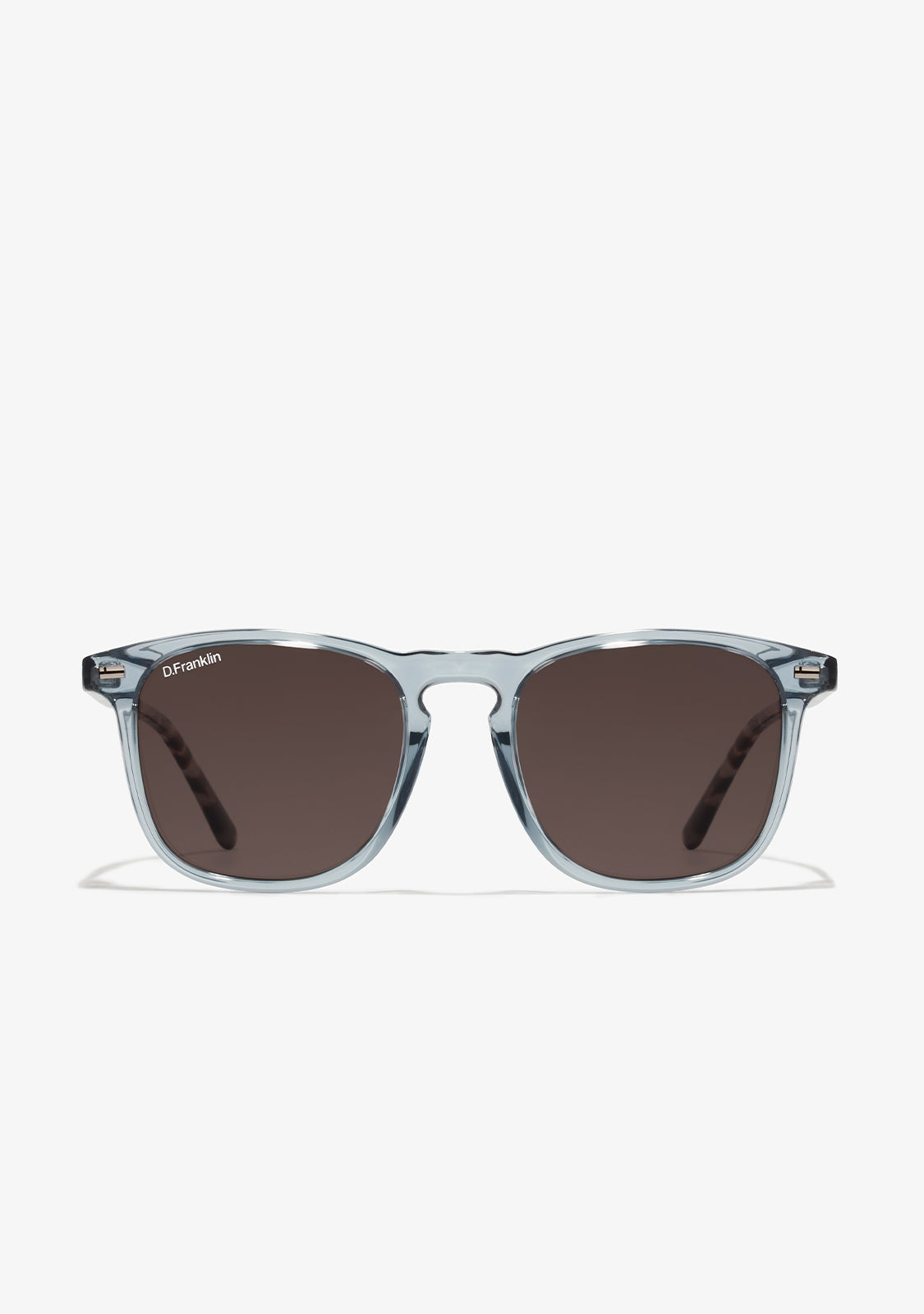
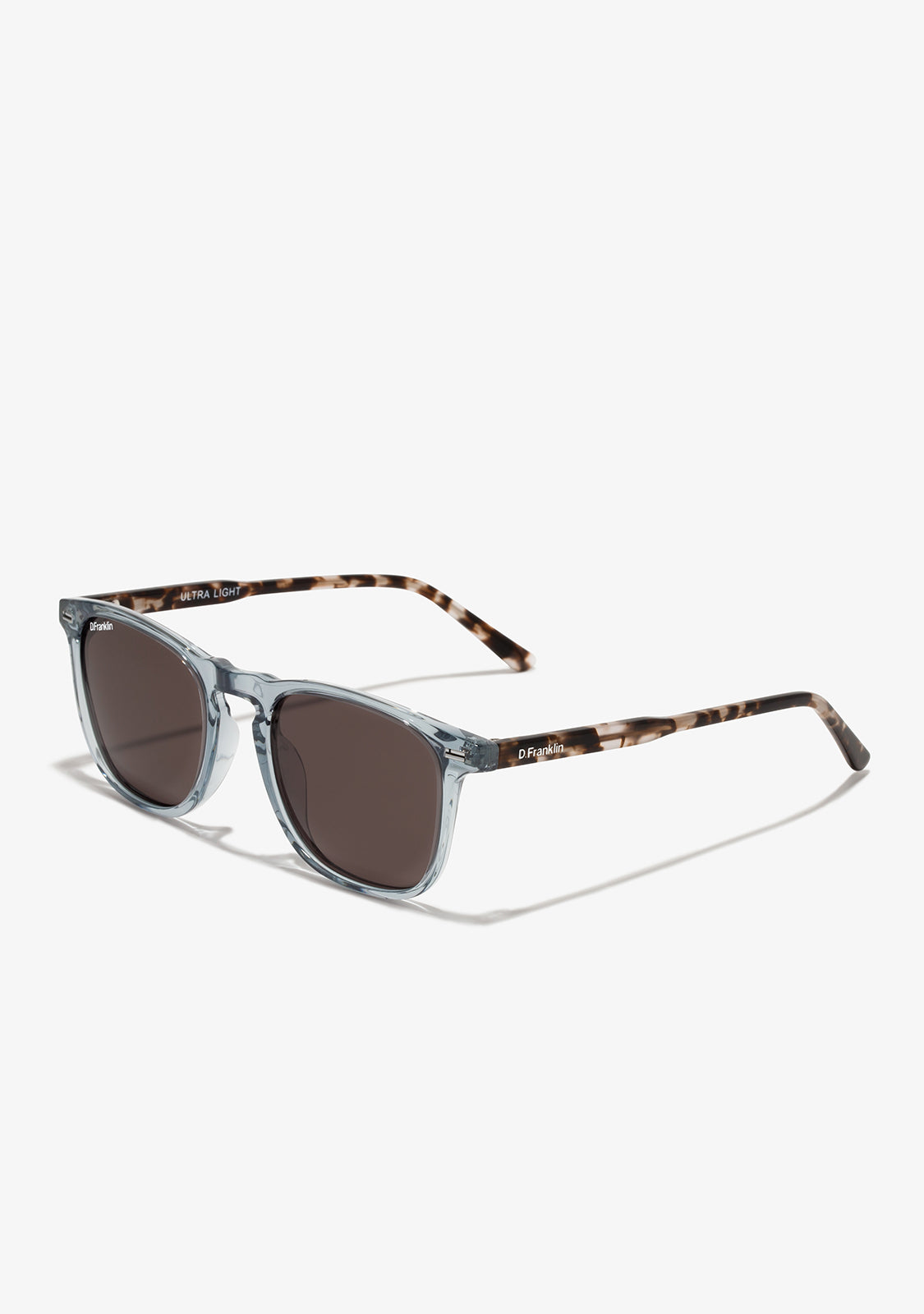
No. A clear front can hold dark, gradient or photochromic lenses. Check both components and the stated lens category. Transparent material does not establish that the glasses suit indoor or night use.
How do I choose a frame shape?
Compare the effect of rounded and angular lines, but check measurements too. A shape you like still needs a bridge and temples that provide a comfortable fit.
Are all sunglasses in this collection polarised?
No. The collection includes different lens types. Confirm polarisation in the chosen option's specifications rather than inferring it from colour or a mirrored finish.
How do polarisation and UV protection differ?
Polarisation reduces certain reflections, while UV protection describes ultraviolet filtering. They are different features that should be checked separately when choosing sunglasses.
How can I tell if sunglasses are too large?
Watch for slipping when you tilt your head or a bridge that barely makes contact. Compare dimensions with stable glasses; holding them tighter with accessories does not correct an unsuitable size.
How do I compare glasses with the same shape in different sizes?
Check overall width, lens height, bridge and temple length, then compare frame thickness. Fronts with similar widths can look very different. Use glasses that already fit well as a reference and check their support when smiling or tilting your head.
What should I look for when exercising?
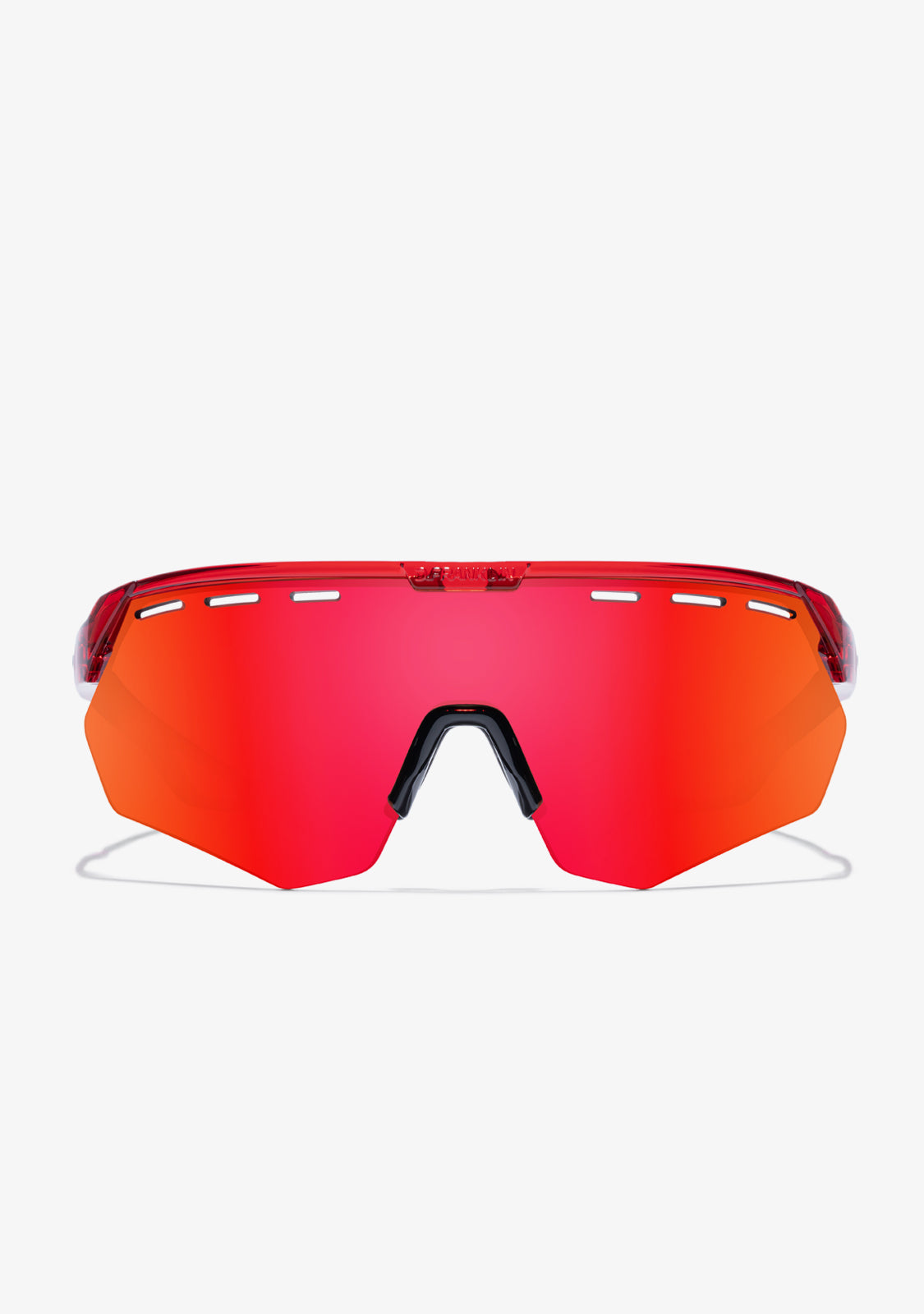
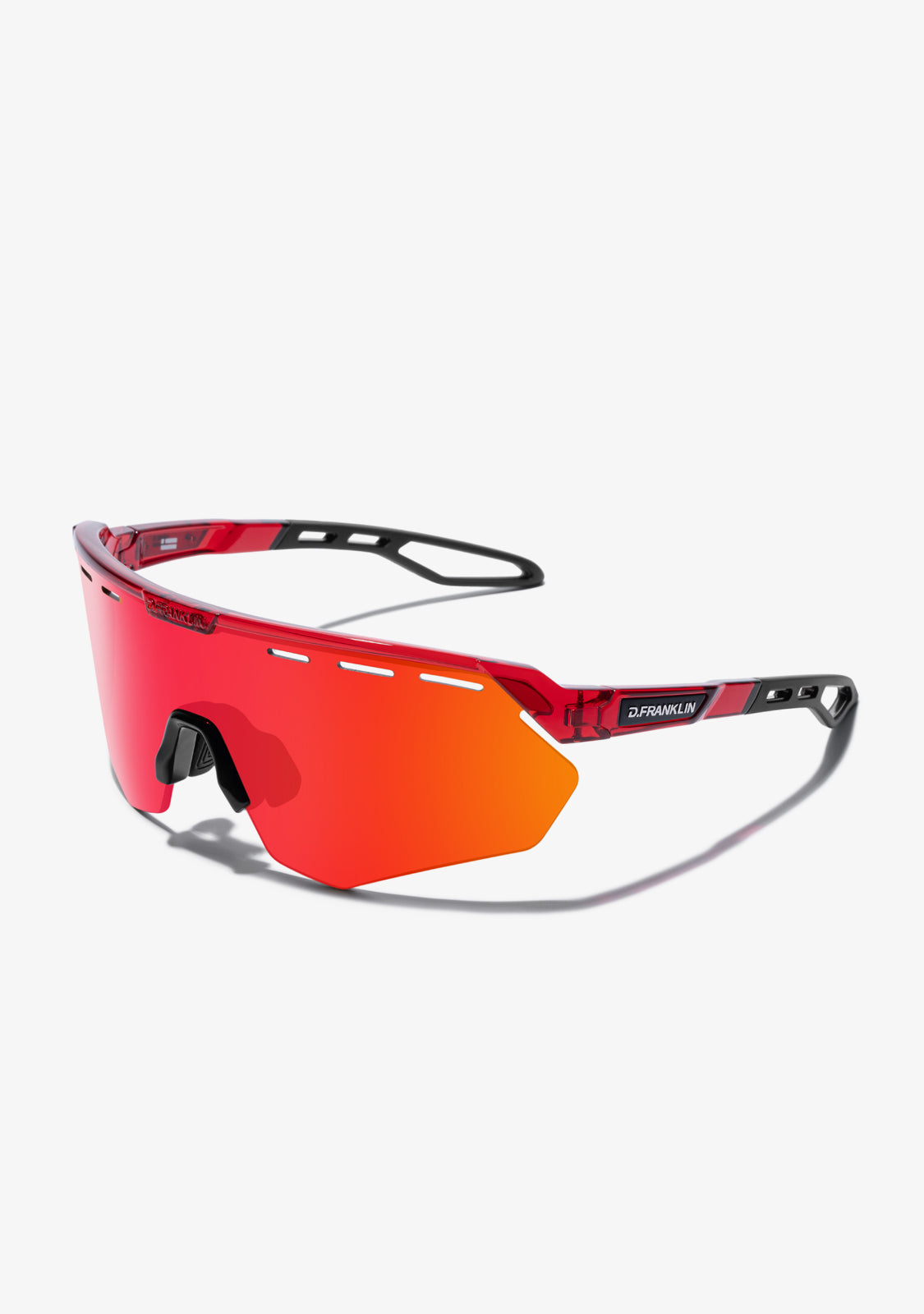
Consider stability during movement, coverage and compatibility with caps, helmets or other accessories. Check lenses and intended use too: a sporty appearance does not confirm every feature.